Every Day is Cybersecurity Awareness Month Now
The last two weeks felt like half a year, and the last half year easily filled a year of cybersecurity incidents. It feels like we're only getting started. Like an advent calendar that never ends, every day has brought a new headline-grabbing incident.
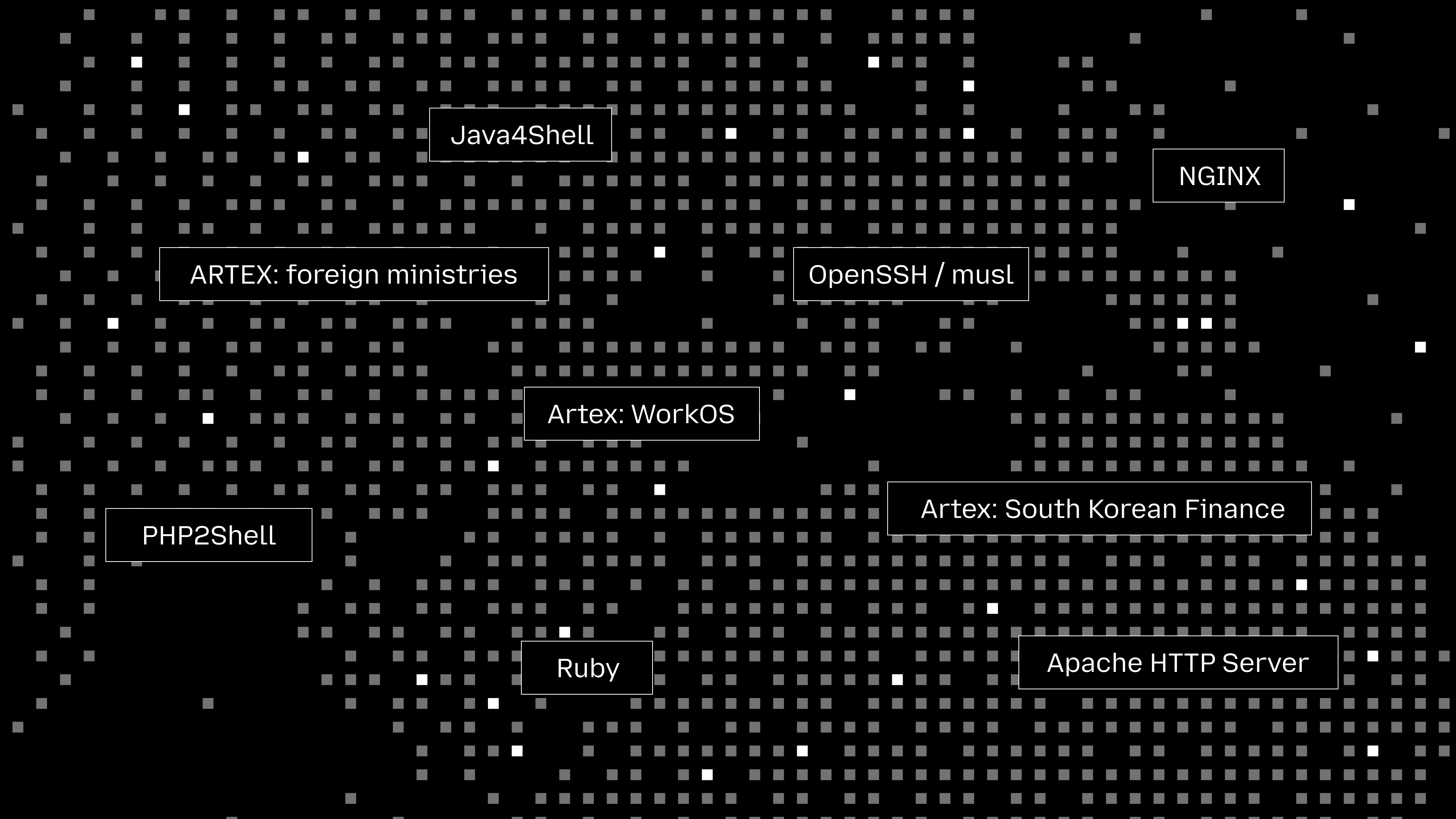
Whether we’re talking about vulnerabilities such as Java4Shell, Nginx2Root and many others without fancy names, or about supply chain incidents such as Microsoft’s agent-framework package it’s been a crazy time for engineers. Artex has poured fuel on the metaphorical fire by coming at the right time to show how vulnerable many applications are.

It's worth looking back at how early this year Mythos generated enormous expectations of a vulnerability apocalypse and compare the hype to reality. These vulnerabilities and attacks keep showing up in headlines but real world impact has yet to match up.
AI-assisted discovery is uncovering bugs in core infrastructure. AI-assisted hacking is working through deployed systems, showing how buggy code, configuration mistakes and technical debt has piled up and the check is coming due all at once. Attackers have more capability at lower cost and it’s going to remain busy for the foreseeable future.
Palo Alto Networks CEO Nikesh Arora put it plainly this week on X: “The events of this week are not a coincidence. AI makes it easier for hackers to hit multiple customers at once.”
Don’t panic
Yet, we can respond without panicking. We've been through similar times and systems are more resilient than they appear. In the 2000s, worms were a routine concern, and the internet was hardly considered safe. Slammer and Conficker are two names from that period that many people remember.
Since then, we’ve significantly hardened our software, varied the internet ecosystem and reduced the attack surface. DEP, ASLR, and newer protections such as CET and shadow stacks, where enabled, have made reliable memory exploitation rare. Auto patching of consumer software along with defense in depth measures in server side systems have helped limit the blast radius of many vulnerabilities.
PHP2Shell is a good example. It was dramatic, showing up in headlines. Japan’s Prime Minister personally told website operators to patch or take their sites offline. That’s how seriously governments are taking this.
People patched and upgraded; plenty of systems remained exposed. There were real compromises, but it didn’t become an internet-wide worm. The world didn’t end and hardening measures from the past 20 years did their job.
Microsoft CEO Satya Nadella said at the NYT DealBook Summit this week that much of critical infrastructure is simply “unpatchable” - firmware, industrial systems, HVAC controllers connected to the internet with no path to update. PHP2Shell is the patchable version of this problem. The harder one is still ahead.
However, there’s plenty of work to be done, calmly and efficiently.
What should you do?
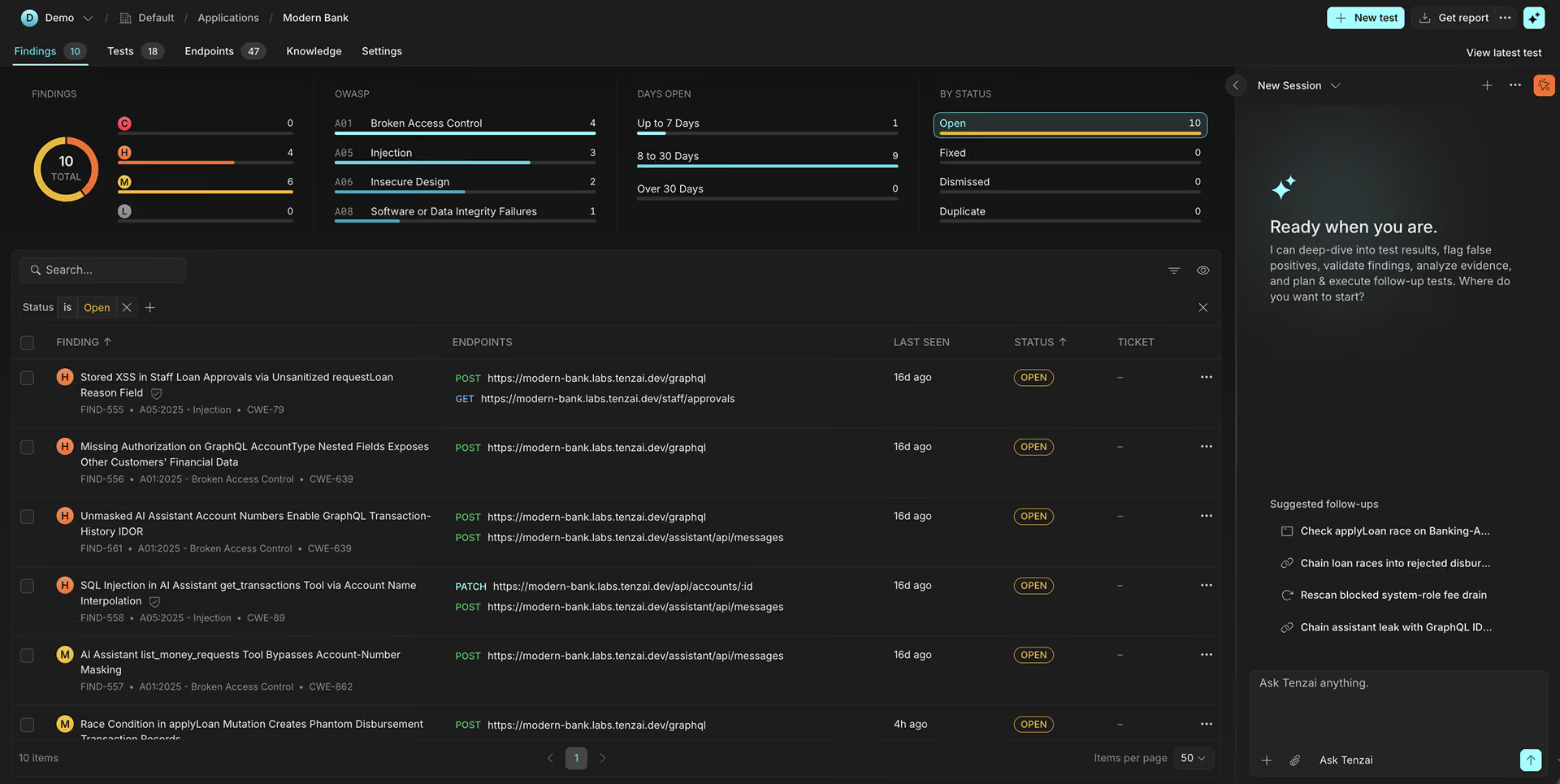
Test your own environment. Pentest your attack surface. Do it with AI for speed, depth, and scale. Tenzai is built for exactly this. If you’d rather run something open-source your team controls, that’s a valid choice too, just make sure it’s one you can operate safely. Don’t keep testing only to test environments, work on production. Include your own applications and also 3rd party systems. Validate results, fix them and retest.
Remove unnecessary exposure. Put administrative consoles, staging environments, dashboards, and SSH behind a maintained modern VPN, ZTNA service, or Tailscale with appropriate access controls. Close the public route and verify it’s closed. This is hard but AI makes it dramatically easier.
Use AI defensively. Use it to update dependencies, deploy code, track down issues, prioritize, and also port legacy systems to new ones. The NCSC and ASD offer practical guidance on doing this.
Keep some perspective and skepticism. As a crash POC is not a reliable internet scale exploit and a branded video showing remote code execution does not mean every deployment is vulnerable.
The sky is not falling. Take a breath, test, fix, validate.
Talk to us. We're listening.
See Tenzai run against an app you own.
Get a DemoMedia inquiries and interviews
[email protected]Hiring elite hackers and more
Open roles